

With the rapid development of science and technology, the manufacturing industry is experiencing an unprecedented wave of intelligent and automated transformation. As the cornerstone of the new energy industry, the lithium battery industry is at the forefront of this change. With the increasing market requirements for lithium battery performance, the degree of intelligence and automation of production lines has become a key indicator for measuring corporate competitiveness. Every detail of the lithium battery production process is directly related to the safety, durability and overall performance of the product. Therefore, it is particularly important to achieve precise control and efficient detection in the production process.
With its outstanding high precision and high efficiency, the vision inspection system occupies an indispensable position in the lithium battery production line and is known as the "smart eyes" on the production line. The system can simulate human visual functions and conduct non-contact, real-time online inspection of lithium battery appearance defects, dimensional accuracy, assembly quality, etc. through high-precision cameras and advanced image processing technology to ensure that every link meets strict quality standards. This intelligent inspection method not only greatly improves the inspection efficiency and accuracy, but also effectively reduces the errors and costs caused by manual inspection. It is an important force in promoting the high-quality and high-efficiency development of the lithium battery industry.

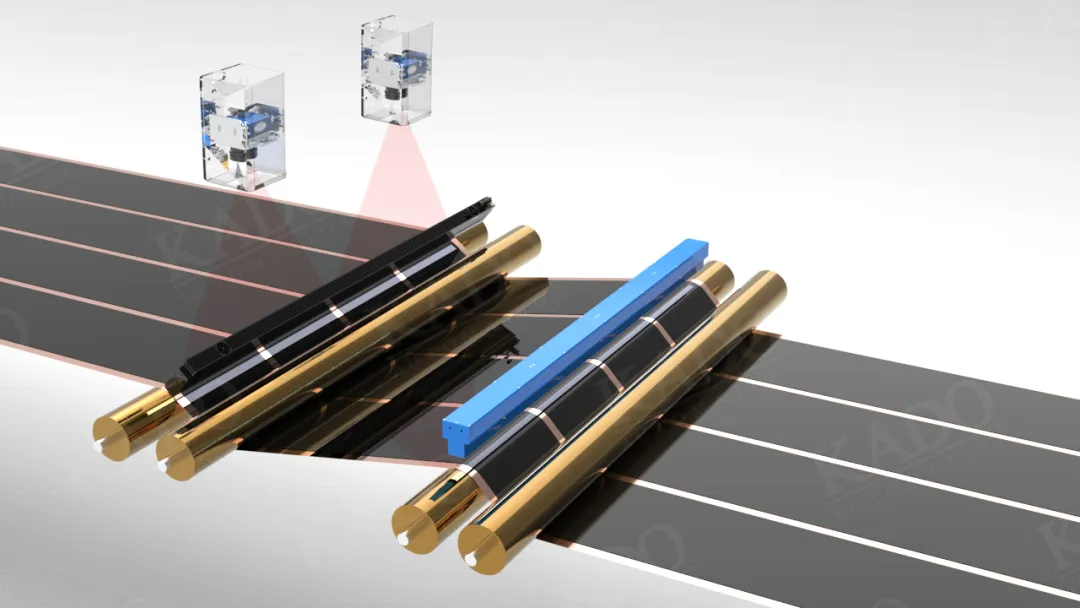
Figure 1: Vision inspection system detects surface defects, size and alignment of materials during the coating process of lithium battery production lines to ensure product consistency
The vision inspection system is an automated inspection system based on computer vision technology. It acquires product images through image acquisition devices such as cameras, and uses image processing algorithms to analyze and process images, thereby realizing the inspection of product appearance, size, position and other information. The vision inspection system has the advantages of high precision, high efficiency and non-contact inspection, and has been widely used in more than 90% of the processes in lithium battery production and manufacturing.
The vision inspection system can accurately detect various defects on the surface of battery pole pieces, such as scratches, dents, coating leaks, spots, etc. If these defects are not discovered and handled in time, they will directly affect the electrochemical performance and overall performance of the battery. By capturing images of the pole piece surface with a high-resolution camera and combining it with advanced image processing algorithms, the system can automatically identify and classify these defects to ensure that only pole pieces that meet quality standards enter the next production link. This non-contact inspection method not only improves the accuracy of the inspection.
Secondly, the vision inspection system also performs well in the size measurement and shape detection of battery pole pieces. The size and shape accuracy of pole pieces have a direct impact on the assembly and performance of batteries. Through image processing algorithms, the system can automatically extract the contour information of pole pieces and battery cells, and calculate accurate dimensional data, providing strong support for quality control in the production process.

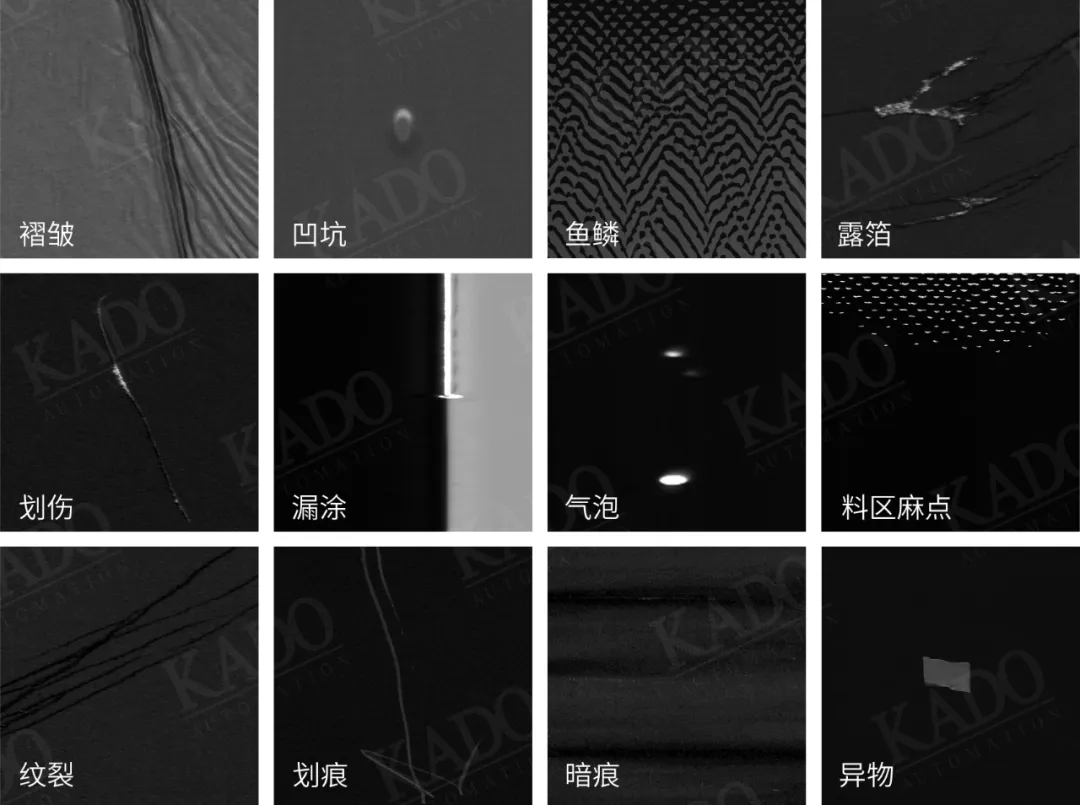
Figure 2: Example of surface defects on the pole piece
The vision inspection system uses deep learning technology to detect lithium battery defects. The principle is to train AI models through massive defect image data, extract and analyze the defect characteristics of the lithium battery surface, and achieve efficient and accurate automatic defect recognition and precise classification. This technology greatly improves the efficiency and accuracy of defect detection, and ensures the stability and reliability of product quality. Continuously optimizing production processes and equipment performance is also an important means to improve product quality and reduce defects. At the same time, it promotes the transformation of lithium battery production to intelligence and automation, and promotes the rapid development of the new energy industry.

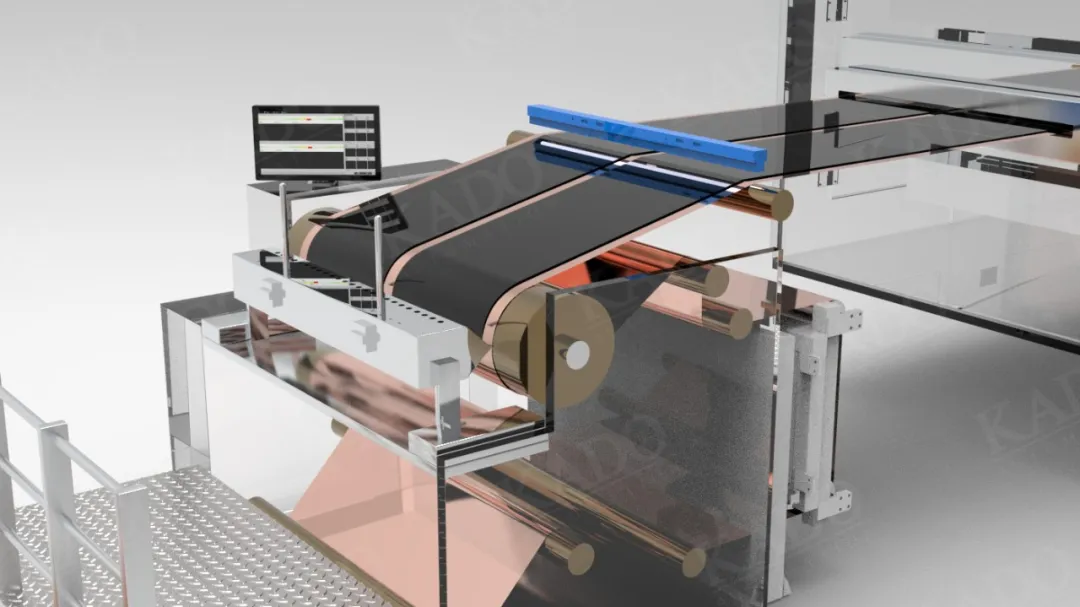
Figure 3: Vision inspection system applied to the coating process of lithium battery production (one-time coating)
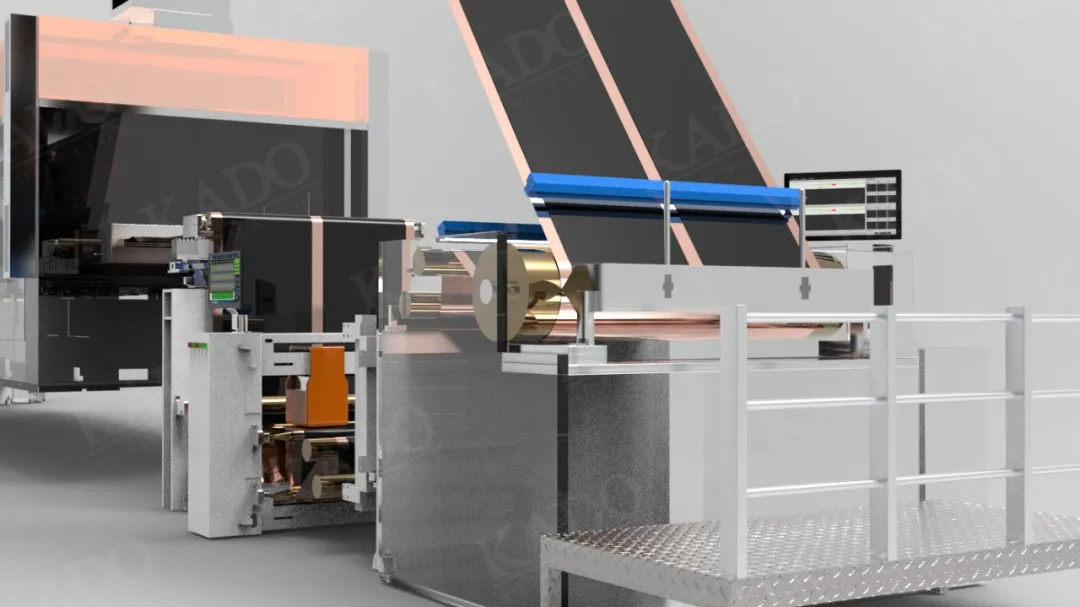
Figure 4: Vision inspection system applied to the coating process (secondary coating) in the lithium battery production process
The coating line is one of the core processes in the front-end of lithium battery production. Its main task is to evenly coat the slurry with good stability and appropriate viscosity on the surface of the metal foil to form positive and negative pole pieces. In this process, the coating accuracy directly affects the performance and safety of the battery. By capturing the surface image of the pole piece after coating through a high-resolution image sensor (CCD, CLS), the system can accurately measure the size of the coating and surface defects such as scratches, particles, bubbles, and coating alignment.The non-contact detection method not only improves detection efficiency, but also matches the bias system and defective marking system to achieve closed-loop control requirements for production. Ensure that the quality of each batch of products is stable and reliable.

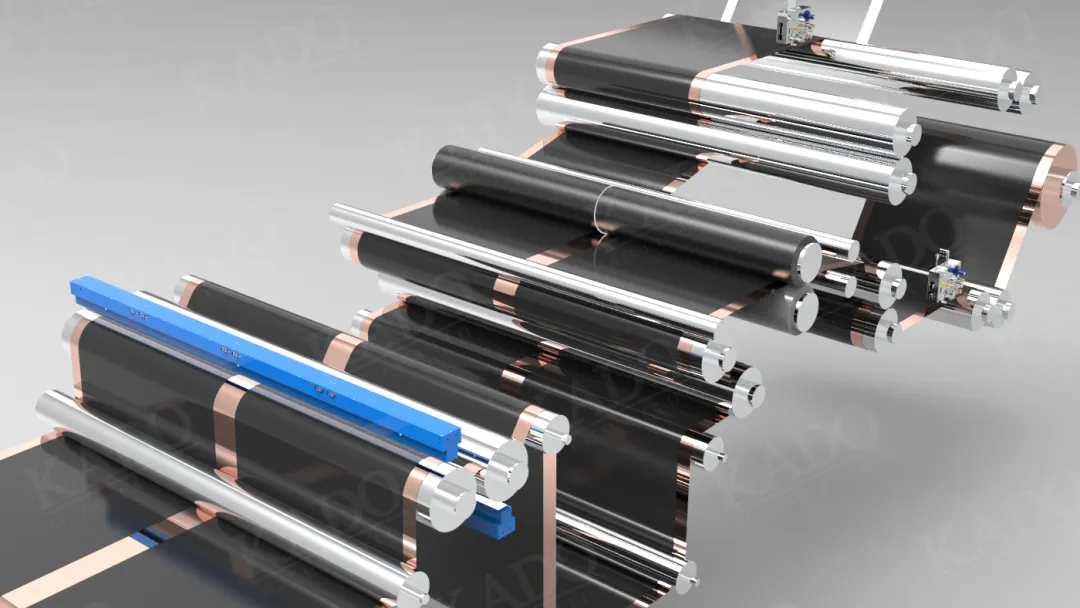
Figure 5: Vision inspection system applied to battery pole cutting process
100% defect detection on A/B side of pole piece
Pole width detection after slitting + slitting width closed-loop control
The slitting machine is one of the key equipment in lithium battery production. Its main function is to cut the pole piece into a specific width for subsequent processing and assembly. However, traditional slitting machines often cannot avoid defects such as burrs, wavy edges and powder loss during the slitting process, which pose a serious threat to the performance and safety of the battery.
The application of vision inspection system in slitting machine effectively solves these problems. By configuring vision inspection system at the feeding and discharging of slitting machine, the quality of pole pieces in slitting process can be monitored in real time. Through image processing algorithm, the system can automatically identify and classify defects such as burrs, wavy edges and powder loss on pole pieces, and cooperate with labeling machine to accurately mark defective products, which is convenient for rapid identification and isolation of defective products in the later process. Making the surface quality of pole pieces 100% digitized plays a vital role in the production efficiency and first-time yield of the later process.

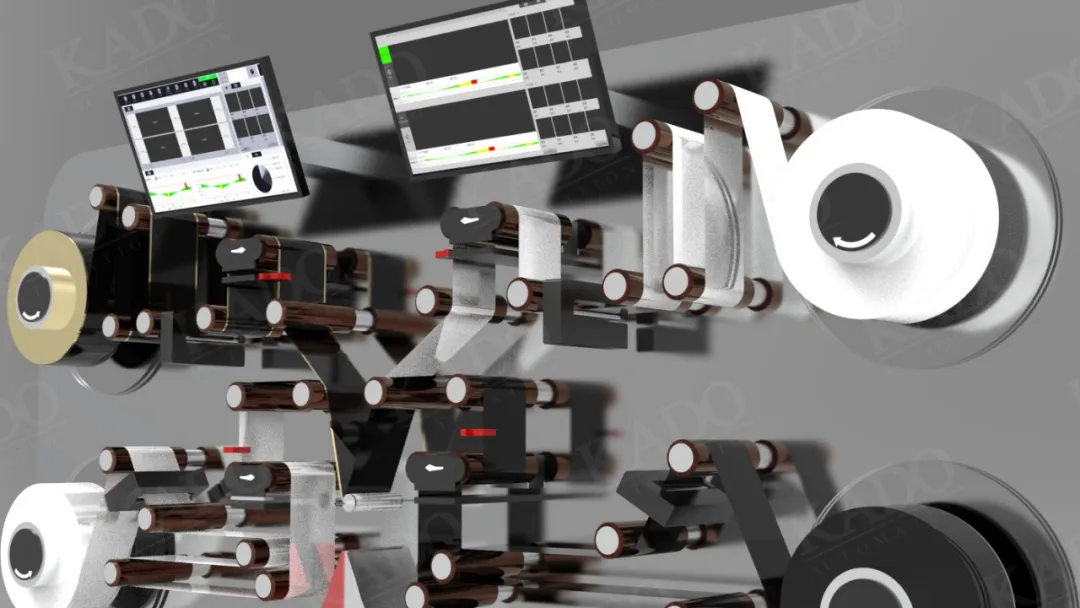
Figure 6: The battery winding process is used to detect the surface defects of the electrode sheet + the size after gluing + the surface defects of the diaphragm + the appearance size of the winding core after winding, etc.
The winder is one of the core equipment in the middle stage of lithium battery production. Its main task is to stack and wind the positive and negative electrodes, diaphragm and other materials into cylindrical or square battery cells in turn. During the winding process, defects such as battery tab wrinkles and electrode misalignment will seriously affect the performance and safety of the battery. The vision inspection system can accurately identify various defects on the electrode and PE film coating, such as scratches, cracks, stains, foreign bodies, pinholes, dimensional deviations, etc. If these defects are not discovered in time, the performance of the lithium battery will be reduced, its life will be shortened, and even safety problems will occur. Through the real-time monitoring of the vision inspection system and the communication linkage control of the winding equipment, defective electrodes or separators can be discharged after a single roll, thereby reducing the waste of raw materials, improving the overall product yield and effectively improving the equipment utilization rate.

As the intelligent eyes of the lithium battery industry, the vision inspection system is profoundly promoting industrial upgrading with its high precision, high efficiency and non-contact detection characteristics.It not only greatly improves the accuracy and speed of product quality inspection, reduces manual errors and costs, but also effectively protects the product surface through non-contact methods and extends the service life of the equipment. More importantly, the traceability of the vision inspection system ensures the transparency of the production process and the closed-loop management of quality control, providing a solid guarantee for the safety performance of lithium batteries. With the deep integration of technologies such as AI and big data, the intelligent vision inspection system continues to evolve in terms of automation and intelligence. It can autonomously learn and optimize detection algorithms, adapt to more complex and changing production environments, and further improve detection efficiency and accuracy. This technological innovation has not only promoted the rapid development of the lithium battery industry, but also driven the technological upgrading and collaborative innovation of the upstream and downstream industrial chains, injecting strong impetus into the vigorous development of new energy vehicles, energy storage and other fields.